

Flynn’s Story
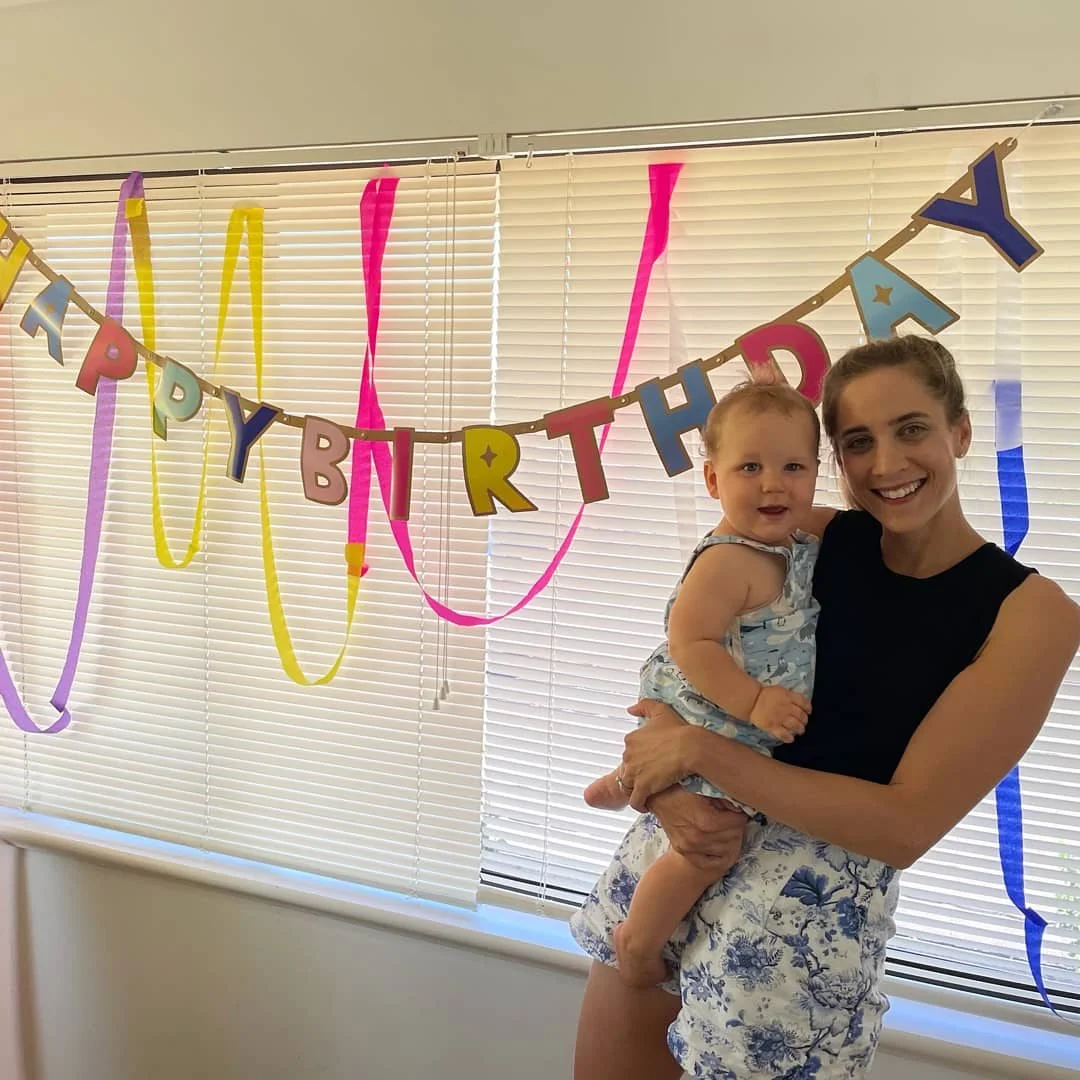
Our beautiful second child, Flynn, was a healthy, happy and joyful boy who loved playing with balls, patting dogs, and adored his big sister, Cleo. We were also excited to share with him that he was going to be a big brother, as I had found out I was pregnant with our third child, what we thought would complete our family.
On 21 August 2021, when Flynn was 18 months old, our world changed forever. Flynn unexpectedly went into respiratory distress. By the time the ambulance arrived, he had gone into cardiac arrest. The paramedics rushed him to hospital, where he was stabilised just enough to be transferred to the PICU at PCH.
From the outset, the doctors gently prepared us for the worst. Because Flynn’s brain had been deprived of oxygen for too long, they believed it was unlikely he would survive. A brain scan the following day confirmed the devastating news: there was no activity. It meant that when we turned off life support, Flynn would die.
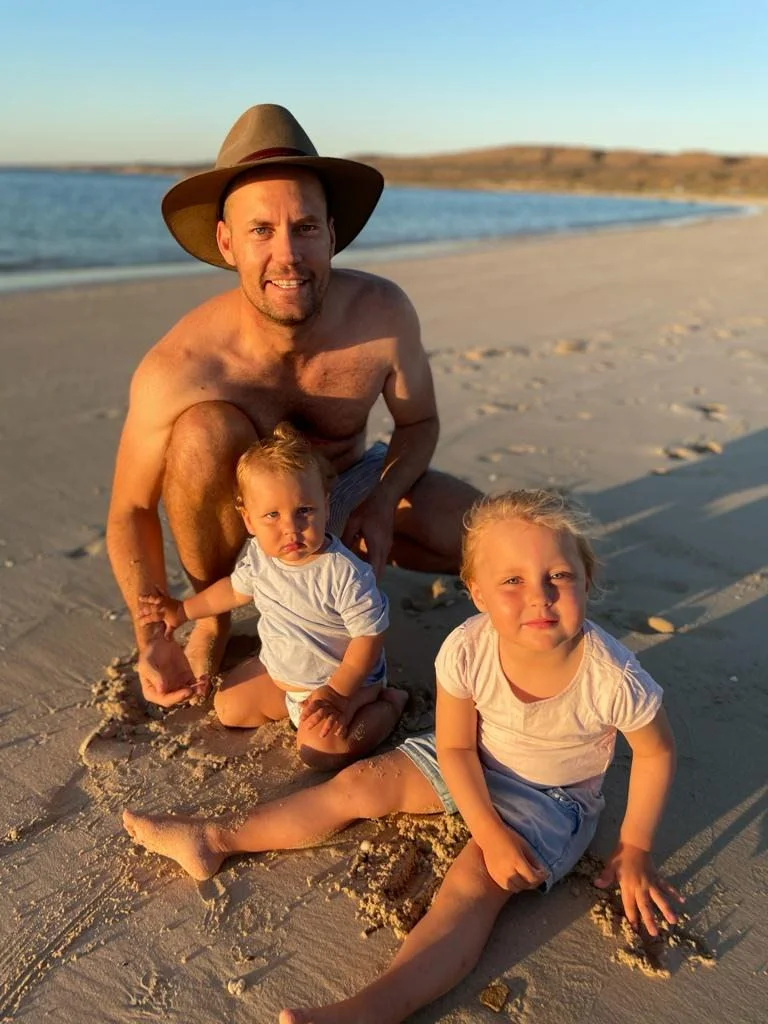
We were supported with compassion and care by the PICU staff. They guided us through meaningful ways to honour Flynn- taking his hand and foot prints, keeping a lock of his hair, and having incredibly difficult but important conversations, such as whether Flynn might be able to be an organ donor. We explored this fully, but for various reasons, he wasn’t able to proceed with donation.
By Friday, it was time to say goodbye to our beautiful boy.
We held him in our arms and sang his favourite lullaby as he slipped peacefully away.
Leaving the hospital without our son was the most heartbreaking thing we’ve ever done.
In the days, weeks, and months that followed, it felt like we were treading water in a wild, unpredictable ocean, waves of grief crashing over us from every direction.
That grief was made even more complex by navigating the pregnancy at the same time.
It was the most profound example of what it means to feel something bittersweet.
I had a strong support network around me, but one of the hardest parts was responding to well-meaning strangers asking, “Is this your first?” “What number child is it?” or “Do you know if it’s a boy or a girl?”
In the raw early days of grief, I worked hard to find ways to keep going. I wanted to share a few of the things that helped me through, in the hope they might one day help someone else:
Take the day in small pieces. Each day I would say to myself, “I just need to make it to sunset.” If that felt too far away, I’d bring it forward to midday, or even just the next hour.
Whatever you’re feeling is okay. If you need to stay in bed and sleep all day, that’s okay. If you want to cry, let yourself. And if you feel up to going for a walk or getting a coffee, that’s ok too.
A simple guide from a counsellor stuck with me early on—three things to do each day:
Have a shower
Eat something
Step outside into nature, even just for 10 minutes
These small acts helped me feel just a little more human each day.
Surround yourself only with people who can support you. When we lost Flynn, my world got very small. I only had space for those who could support me and make room for my grief. Over time, as healing gently unfolded, I’ve been able to let more people in but I remain deeply mindful of who I share my energy with.
The work of Dr Lucy Hone helped me. Her words, “Don’t lose what you have to what you have lost,” became a lifeline. Whenever the pain felt unbearable, I would remind myself of what and who I still had to live for. That reminder always helped me find my way back to the present.

It’s now been almost four years since we lost our Flynn. He left a lasting imprint on us. There is not an hour that goes by where I don’t think of him, who he was, and who he might have become.
He is spoken about, remembered, and loved every single day.
Flynn is now the second of our four children. His little brother Jesse was born just six months after he passed, and a couple of years later we welcomed Fleur. Her name lovingly beginning with “FL” as a quiet tribute to the big brother she’ll never meet but will always know.
Life is good now. The waves of grief still come, but they’re not as big and are more predictable. When they do arrive, we’ve learned how to ride them.